




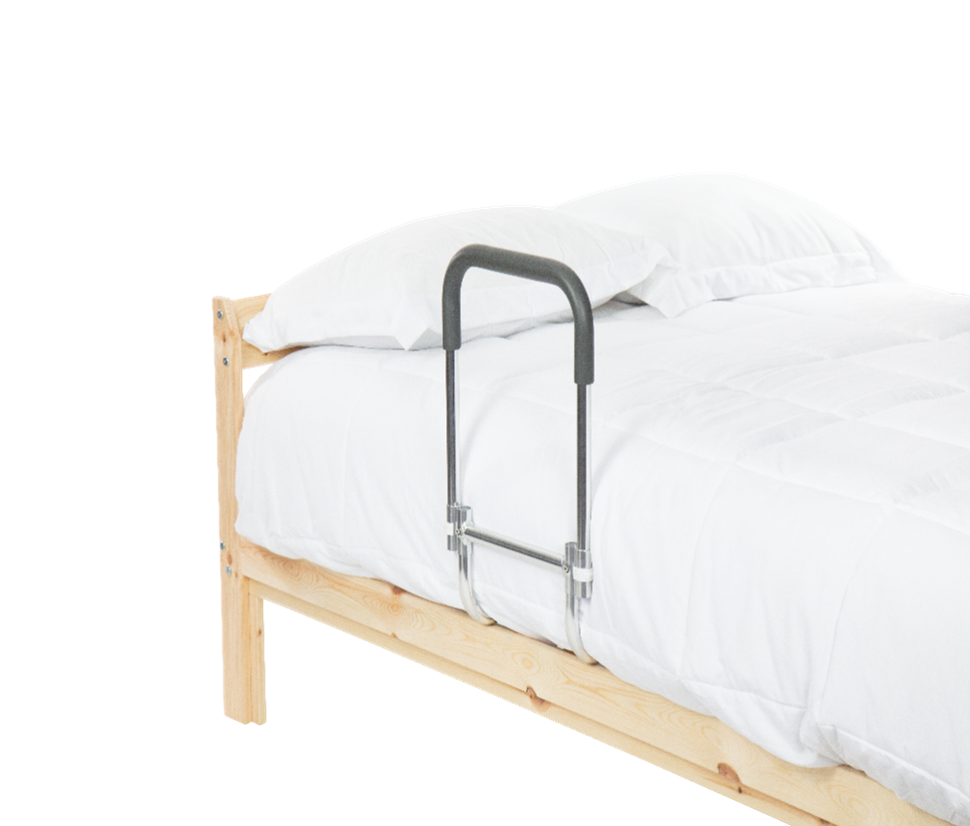
When the recalled bed rails are attached to a bed, users can become entrapped within the bed rail or between the bed rail and the side of the mattress. This poses a serious entrapment hazard and risk of death by asphyxiation.
Consumers should stop using the recalled Vive Health Bed Rails immediately and contact Vive Health for a full refund. Consumers should write “RECALLED” on the upper and lower portions of the bed rails with permanent marker and take a photo of the marked bed rail with the buyer’s name on a piece of paper and email to recalls@vivehealth.com. Consumers should then dispose of the recalled product in accordance with the state and local waste disposal procedure.
About 122,000
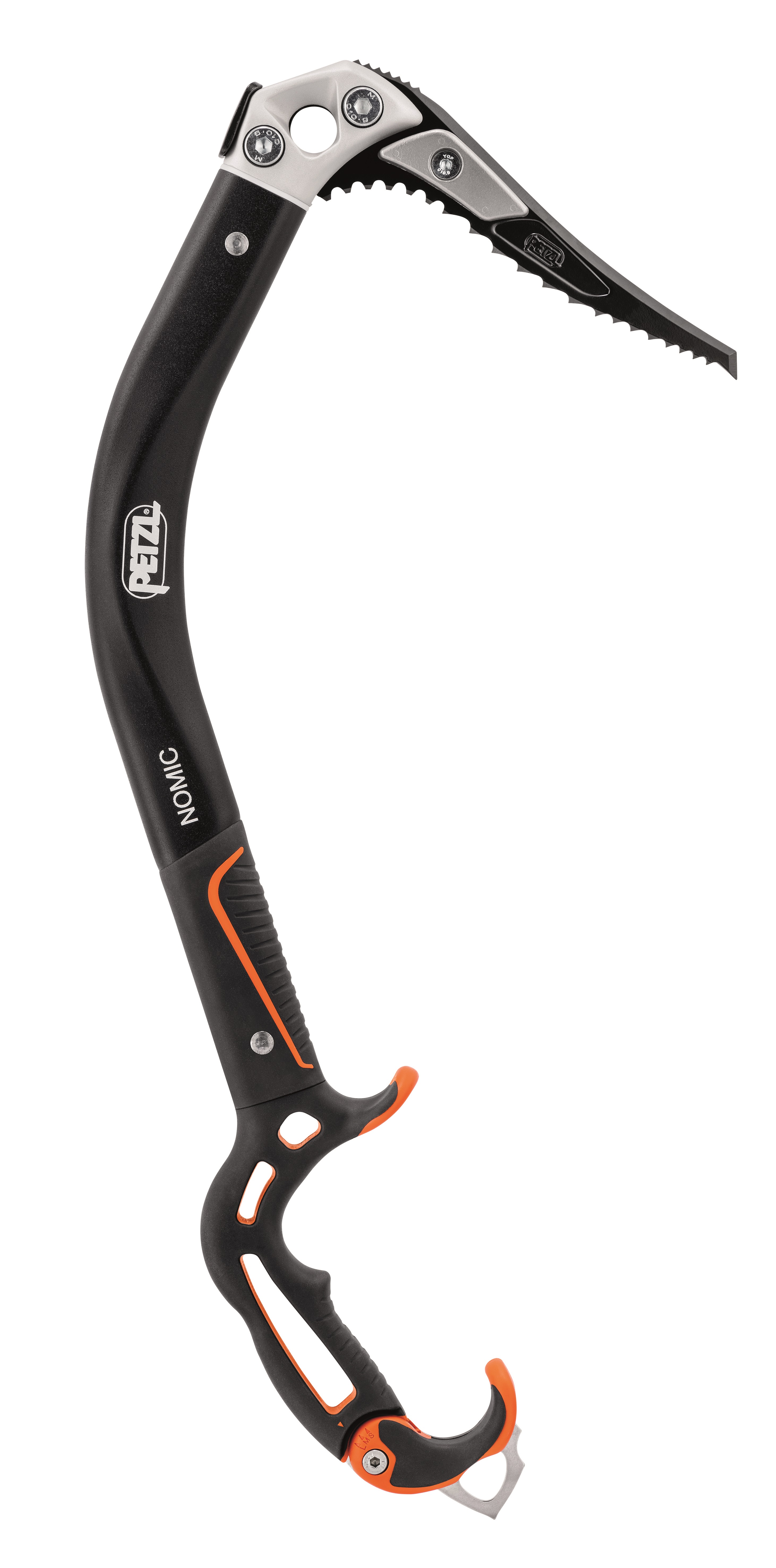
The ice axe shaft can break at the handle during use, posing a fall hazard, which can result in serious injury or death.
Consumers should immediately stop using the recalled ice axes and contact Petzl America for a free repair kit. Consumers should register at https://www.petzl.com/US/en/Sport/Contact?request=product-recall to request a pre-paid shipping label to return the shaft. Petzl America will send a repair kit with a new shaft, hardware for the grip rest and assembly instructions.
About 4,200 (In addition, about 1,160 were sold in Canada)
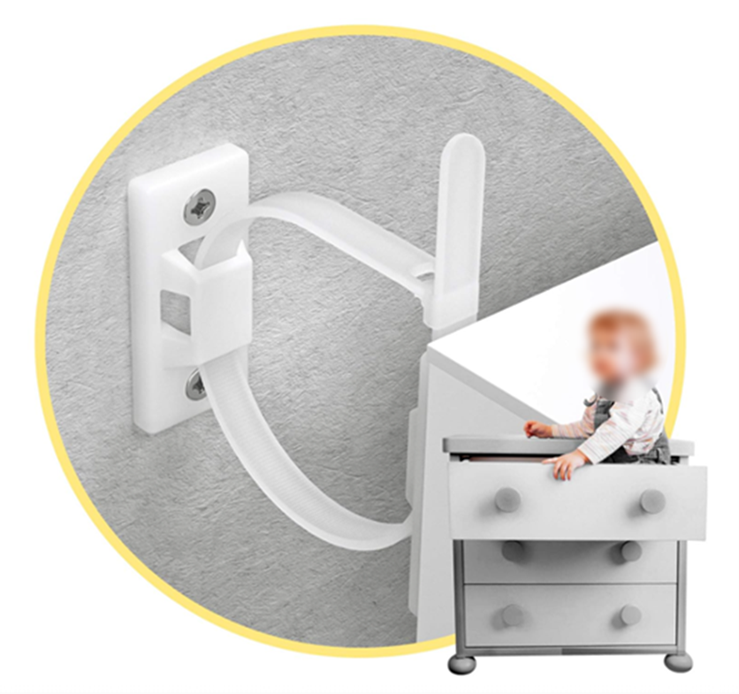
The recalled plastic tip restraint kits (also referred to as furniture straps) can break or degrade, posing tip-over and entrapment hazards that can result in serious injuries or death to children or elderly consumers interacting with furniture that is secured to the wall with the defective plastic tip restraints. This is a hidden defect because consumers who purchase and install this product may be under a false sense of security that their furniture is safe from a tip-over incident.
Consumers should stop using 4our Kiddies plastic tip restraints immediately and contact 4our Kiddies for a free replacement tip restraint kit made of stainless steel. Consumers should keep children away from the unit while waiting for a replacement tip restraint kit and should dispose of the recalled tip restraint in their household trash once they have installed the replacement tip restraint.
About 253,500
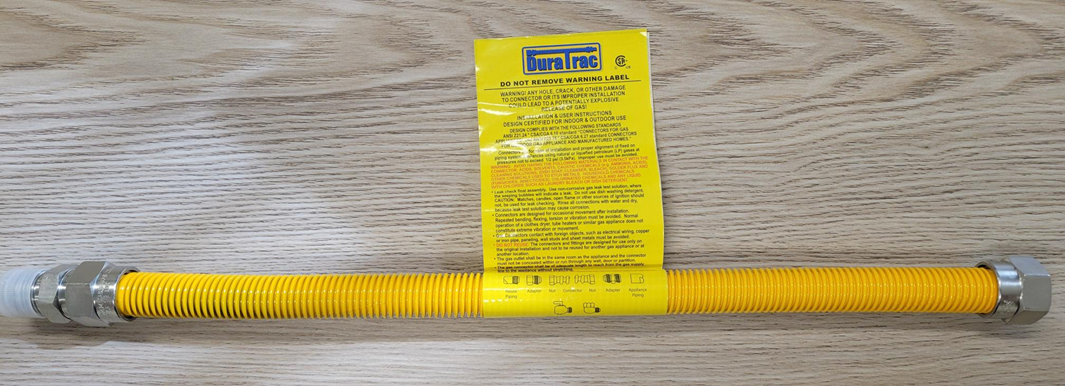
The recalled DuraTrac gas connectors contain a manufacturing defect that could cause a gas leak, posing a fire hazard to consumers.
Consumers should stop using the recalled DuraTrac stainless steel gas connectors immediately and contact DuraTrac for a full refund.
About 196,800
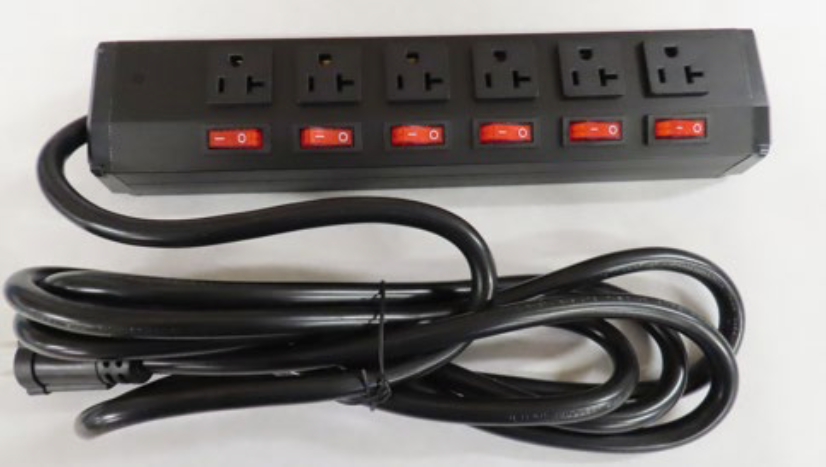
The power strips do not contain supplementary overcurrent protection, which creates a risk of fire if the power strips are overloaded. The resulting fire can cause serious injury or death from smoke inhalation and burns.
Consumers should immediately stop using the CCCEI power strips and contact Middle Way Electronics to receive a full refund.
About 5,543
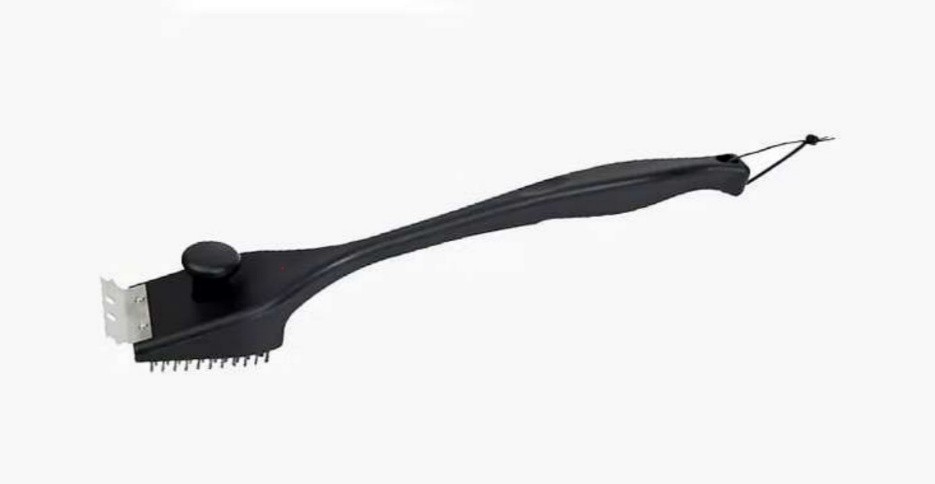
Small metal wire bristles can detach from the brushes and stick to the grill or food, posing an ingestion hazard and risk of serious internal injuries that could require surgery.
Consumers should immediately stop using the recalled grill brushes and contact Nexgrill for a full refund to be issued as a gift card. Consumers will be provided with a registration code as part of the recall process and will be directed to upload a photograph of their grill brush with that code and their initials to the recall website to register for the recall. After receiving a confirmation email that their registration has been successfully processed, consumers will then receive directions on how to discard of the recalled grill brush.
About 10.2 million
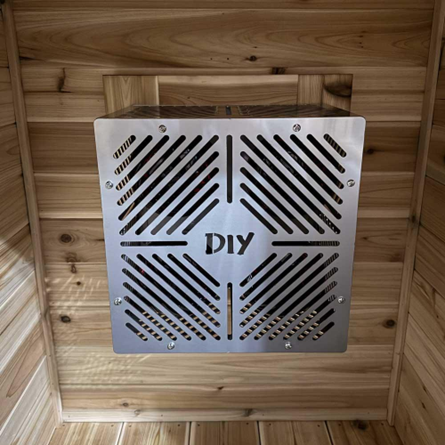
Electrical conductors within the sauna heater kits can overheat, posing a fire hazard and risk of serious injury or death.
Consumers should stop using the recalled Sauna Heater Kit immediately and register at www.diycoldplunge.com/pages/recall for a full refund. Consumers will be asked to submit written and photo proof that the product has been destroyed/disposed of or request a prepaid shipping label to return the product.
About 675 (In addition, about 14 were sold in Canada)
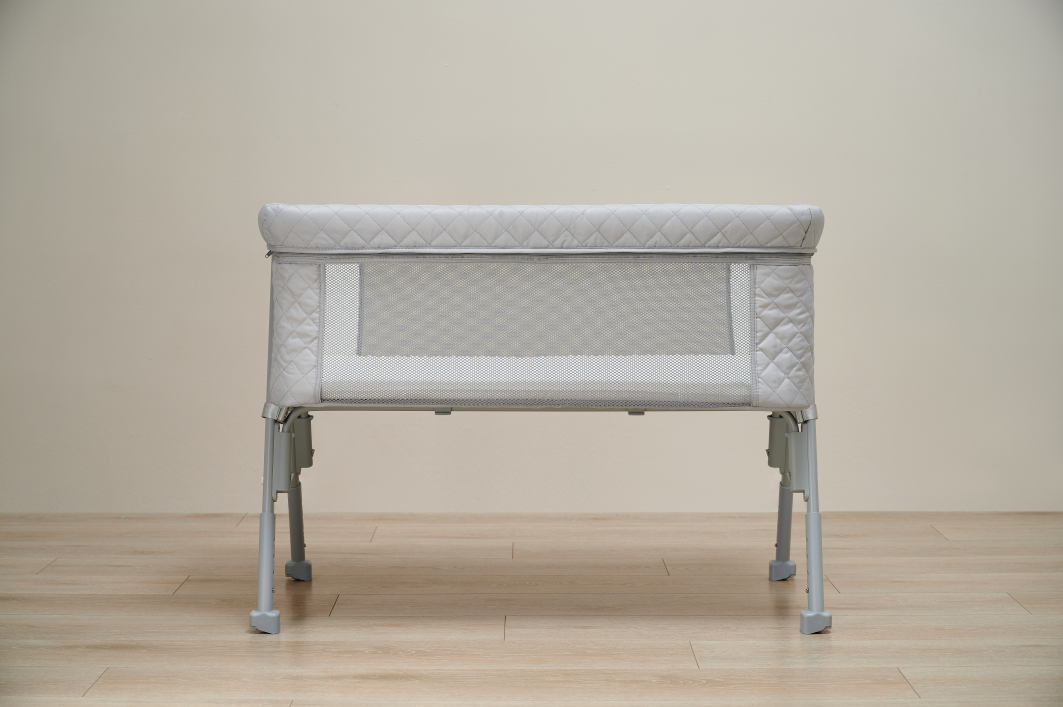
The recalled convertible bassinets violate the mandatory standard for bedside sleepers because the mechanism used to attach the product to the adult bed creates an opening between the bedside sleeper and mattress, posing a deadly fall hazard to infants.
Consumers should stop using the recalled AirClub convertible bassinets immediately and contact AirClub for a replacement attachment mechanism. Consumers will be asked to cut off the two original L-shape straps, throw them away and follow the instructions provided to install the new four straps with T-shaped buckle.
About 110,400
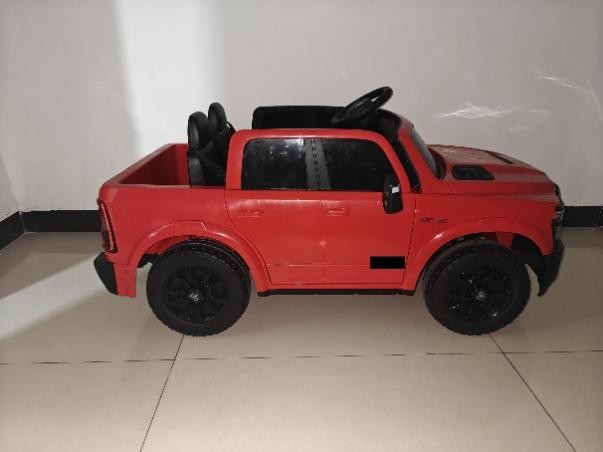
The truck’s circuit board can overheat and ignite, posing fire and burn hazards.
Consumers should stop using the recalled ride-on truck immediately, unplug the truck if it is charging, and contact Shenzhen Luobei Trading Co. for instructions to receive a full refund. To obtain a refund, consumers will need to disable the ride-on truck by cutting the wires to the battery and submitting a photo of the cut wires with “VOID,” the consumer’s name and the date written on the hood of the truck in permanent marker. Consumers should dispose of the disabled ride-on truck once they receive their refund. Directions on how to disassemble and disable the ride-on truck can be found on https://funtok.net/pages/voluntary-product-safety-recall.
Note: Do not throw the truck battery in the trash, or in the general recycling stream (e.g., street-level or curbside recycling bins). Lead-acid batteries must be disposed of differently than other batteries. Your municipal household hazardous waste (HHW) collection center or battery recycling boxes found at various retail and home improvement stores may accept this lead-acid battery for disposal. Before taking your battery to a HHW collection center, contact that office ahead of time and ask whether it accepts lead-acid batteries. If it does not, contact your municipality for further guidance.
About 1,980
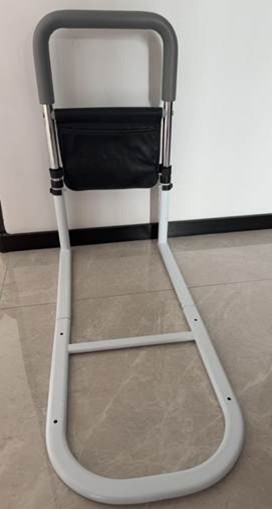
The recalled bed rails violate the mandatory standard for adult portable bed rails because users can become entrapped within the bed rail, or between the bed rail and the side of the mattress, posing a serious entrapment hazard and risk of death by asphyxiation. In addition, the bed rails do not bear the required hazard warning labels.
Consumers should stop using the recalled adult portable bed rails immediately and contact Bioenrrty for a full refund. Consumers will be asked to destroy the bed rails by cutting the black safety strap in half and writing “RECALLED” on the upper and lower rails with permanent marker, take a photo of the destroyed rails and email the photo to MPINOIproductrecall@outlook.com.
About 200
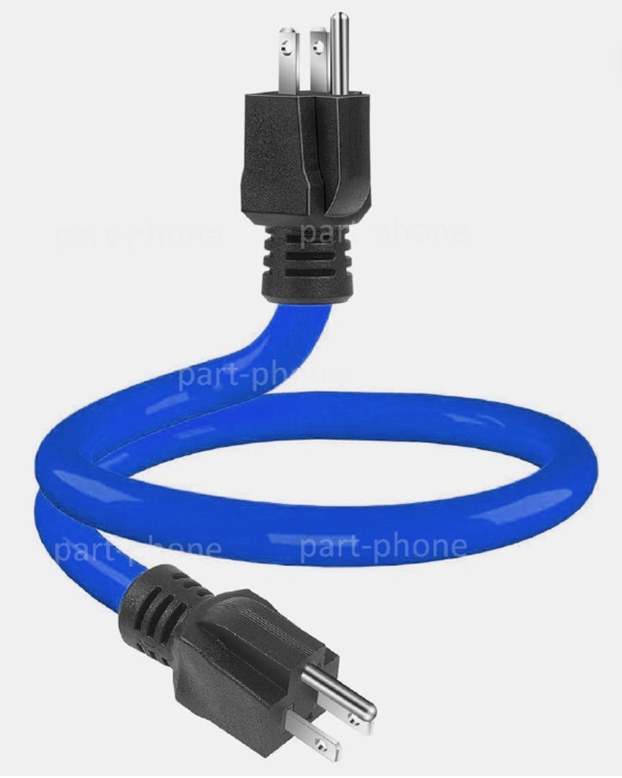
The male-to-male extension cords are hazardous because their exposed prongs can become energized when one end is plugged into a generator or other power source, posing a risk of serious injury and death from electrocution. In addition, using the cables to supply power from a generator to a residential electrical system (“backfeeding”) poses a risk of electrocution and fire. Furthermore, the cables’ short length encourages the use of generators close to homes or enclosed spaces, posing a risk of carbon monoxide poisoning.
CPSC urges consumers to stop using these defective male-to-male extension cords immediately, safely unplugging them by not touching the live end of the cord and dispose of them.
About 700
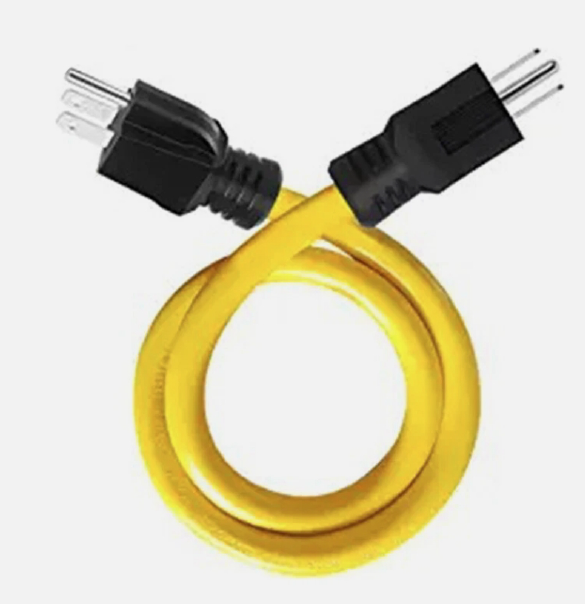
The male-to-male extension cords are hazardous because their exposed prongs can become energized when one end is plugged into a generator or other power source, posing a risk of serious injury and death from electrocution. In addition, using the cables to supply power from a generator to a residential electrical system (“backfeeding”) poses a risk of electrocution and fire. In addition, the cables’ short length encourages the use of generators close to homes or enclosed spaces, posing a risk of carbon monoxide poisoning.
CPSC urges consumers to stop using these defective male-to-male extension cords immediately, safely unplugging them by not touching the live end of the cord and dispose of them.
About five
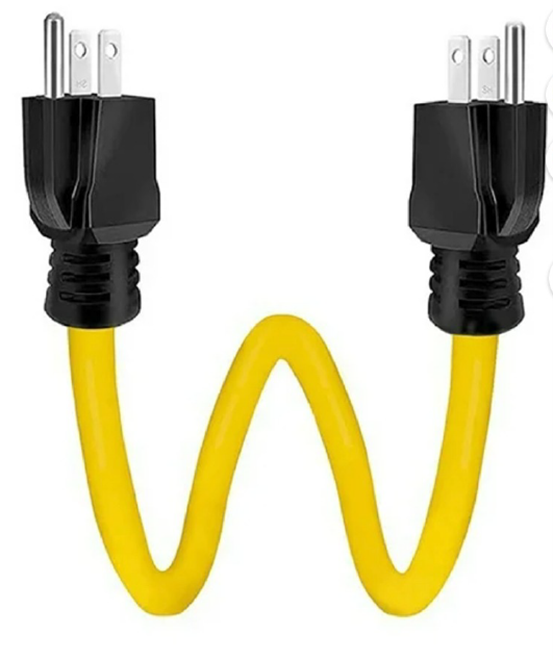
The male-to-male extension cords are hazardous because their exposed prongs can become energized when one end is plugged into a generator or other power source, posing a risk of serious injury and death from electrocution. In addition, using the cables to supply power from a generator to a residential electrical system (“backfeeding”) poses a risk of electrocution and fire. Furthermore, the cables’ short length encourages the use of generators close to homes or enclosed spaces, posing a risk of carbon monoxide poisoning.
CPSC urges consumers to stop using these defective male-to-male extension cords immediately, safely unplugging them by not touching the live end of the cord and dispose of them.
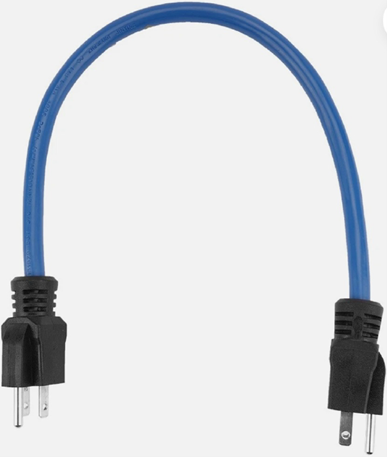
The male-to-male extension cords are hazardous because their exposed prongs can become energized when one end is plugged into a generator or other power source, posing a risk of serious injury and death from electrocution. In addition, using the cables to supply power from a generator to a residential electrical system (“backfeeding”) poses a risk of electrocution and fire. Furthermore, the cables’ short length encourages the use of generators close to homes or enclosed spaces, posing a risk of carbon monoxide poisoning.
About 80
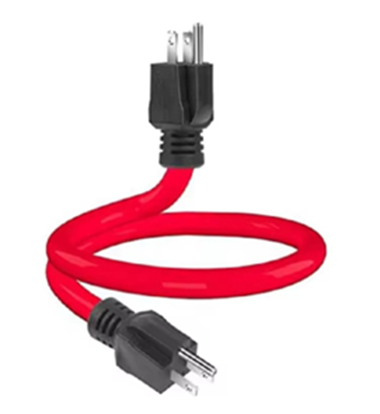
The male-to-male extension cords are hazardous because their exposed prongs can become energized when one end is plugged into a generator or other power source, posing a risk of serious injury and death from electrocution. In addition, using the cables to supply power from a generator to a residential electrical system (“backfeeding”) poses a risk of electrocution and fire. Furthermore, the cables’ short length encourages the use of generators close to homes or enclosed spaces, posing a risk of carbon monoxide poisoning.
CPSC urges consumers to stop using these defective male-to-male extension cords immediately, safely unplugging them by not touching the live end of the cord and dispose of them.
About 150
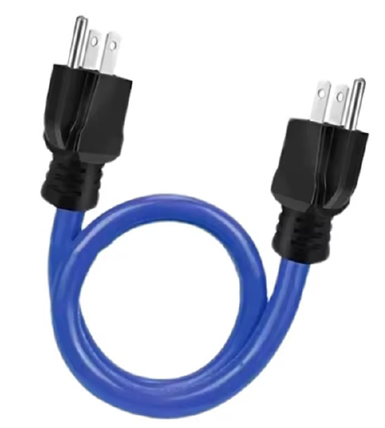
The male-to-male extension cords are hazardous because their exposed prongs can become energized when one end is plugged into a generator or other power source, posing a risk of serious injury and death from electrocution. In addition, using the cables to supply power from a generator to a residential electrical system (“backfeeding”) poses a risk of electrocution and fire. Furthermore, the cables’ short length encourages the use of generators close to homes or enclosed spaces, posing a risk of carbon monoxide poisoning.
CPSC urges consumers to stop using these defective male-to-male extension cords immediately, safely unplugging them by not touching the live end of the cord and dispose of them.
About 1,000
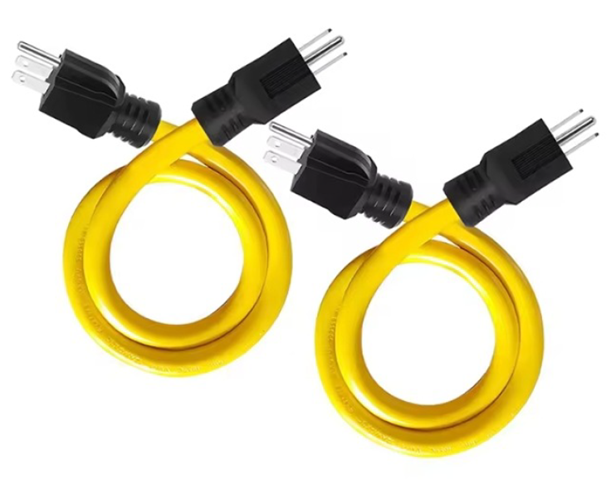
The male-to-male extension cords are hazardous because their exposed prongs can become energized when one end is plugged into a generator or other power source, posing a risk of serious injury and death from electrocution. In addition, using the cables to supply power from a generator to a residential electrical system (“backfeeding”) poses a risk of electrocution and fire. Furthermore, the cables’ short length encourages the use of generators close to homes or enclosed spaces, posing a risk of carbon monoxide poisoning.
CPSC urges consumers to stop using these defective male-to-male extension cords immediately, safely unplugging them by not touching the live end of the cord and dispose of them.
About 600
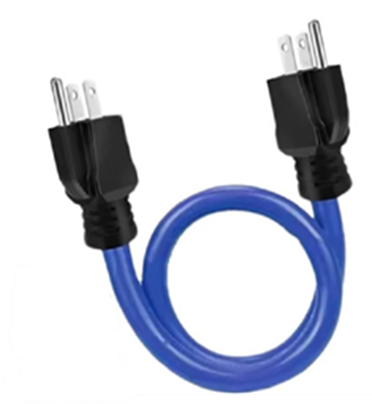
The male-to-male extension cords are hazardous because their exposed prongs can become energized when one end is plugged into a generator or other power source, posing a risk of serious injury and death from electrocution. In addition, using the cables to supply power from a generator to a residential electrical system (“backfeeding”) poses a risk of electrocution and fire. Furthermore, the cables’ short length encourages the use of generators close to homes or enclosed spaces, posing a risk of carbon monoxide poisoning.
CPSC urges consumers to stop using these defective male-to-male extension cords immediately, safely unplugging them by not touching the live end of the cord and dispose of them.
About 600
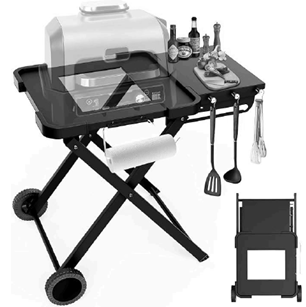
CPSC is warning consumers to stop using Pariplus Foldable Grill Carts with Wheels, Models NWGS2501 and GSPA-2501A, immediately due to the risk of fingertip amputation and crushing injuries when the products fold or collapse.
CPSC urges consumers to stop using the grill tables immediately and dispose of them. Do not sell or give away these hazardous products.
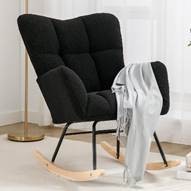
CPSC is warning consumers to immediately stop using NIOIIKIT rocking chairs because they can collapse during use, posing a risk of serious injury or death from a fall.
CPSC urges consumers to stop using the rocking chairs immediately and dispose of them. Do not sell or give away these hazardous products.