




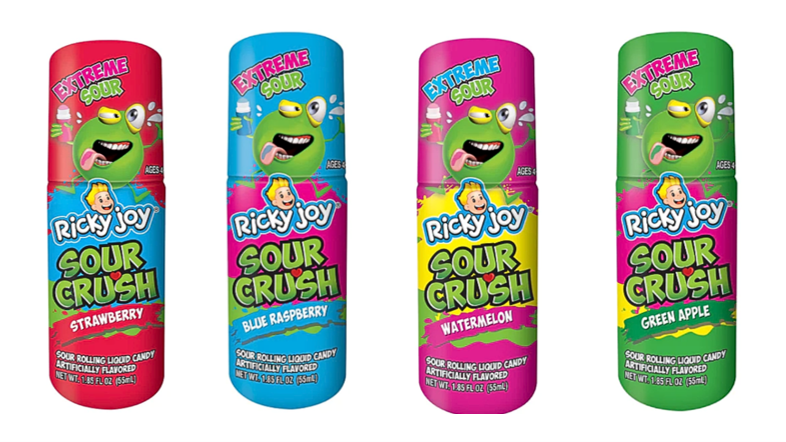
The rolling ball on the recalled candy bottles can detach, posing a risk of serious injury or death from choking hazard.
Consumers should stop using the candy bottles immediately, take them away from children and contact The Ricky Joy Company for a refund. Consumers will be provided with a pre-paid shipping label to return the recalled product.
About 2.3 million
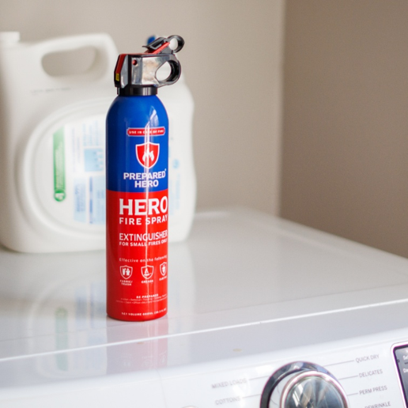
The recalled fire spray canister can deteriorate overtime, causing it to rupture and fail to operate during a fire, posing the risk of serious injury or death from fire and burn hazards.
Consumers should stop using the fire spray canisters immediately and visit www.preparedhero.com/pages/recall for instructions on how to receive a free replacement unit and how to properly dispose of the recalled fire spray canister according to local and state regulations. Consumers will be asked to place their fire spray canister in a box, label the box “RECALLED”, and bring it to a municipal household hazardous waste (HHW) collection center to receive a free replacement.
Note: Do not throw the recalled fire spray canister in the trash or the general recycling stream (e.g., street-level or curbside recycling bins). Recalled fire spray canisters must be disposed of differently than other products, because they are pressurized. Your municipal household hazardous waste (HHW) collection center may accept this recalled fire spray canister for disposal. Before taking your fire spray canister to a HHW collection center, contact that office ahead of time and ask whether it accepts pressurized canisters. If it does not, contact your municipality for further guidance.
About 31,000
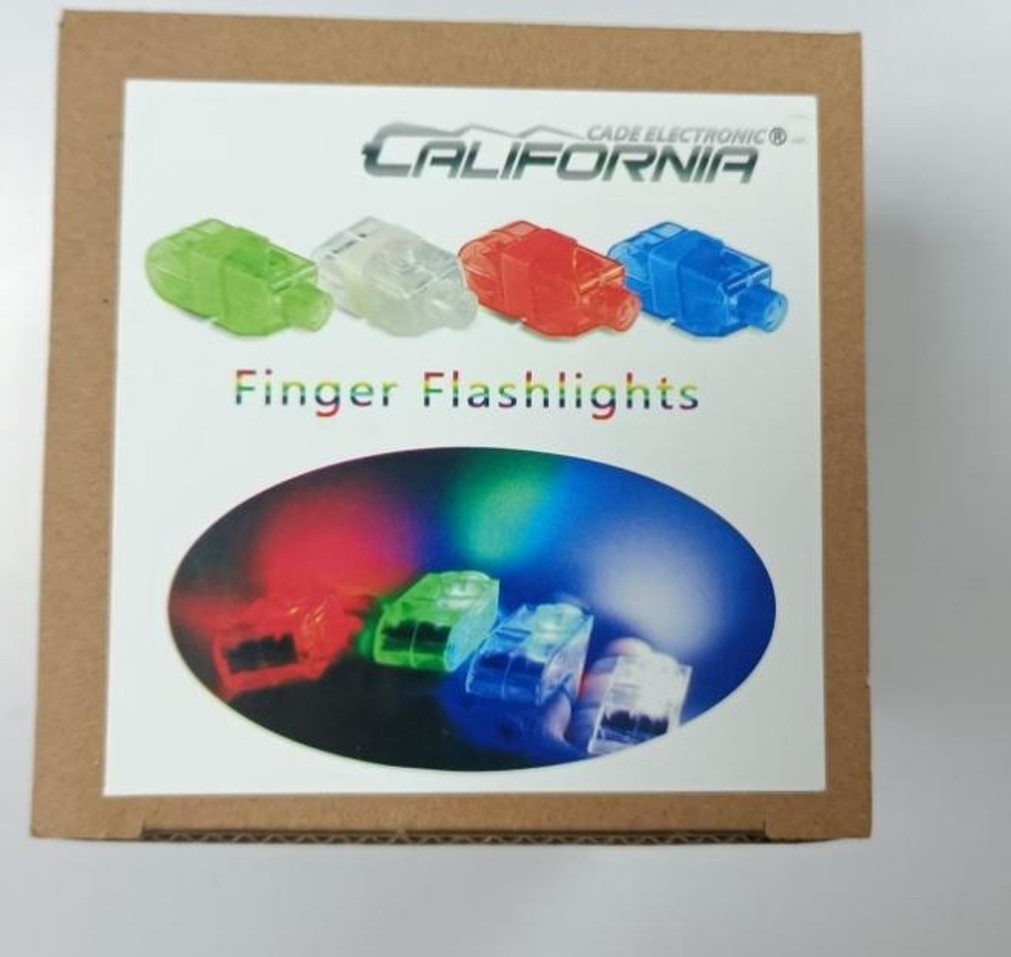
The recalled finger lights violate the mandatory safety standard for toys because the toys contain button cell batteries that can be easily accessed by children. If button cell or coin batteries are swallowed, the ingested batteries can cause serious injuries, including internal chemical burns, and death.
Consumers should stop using the recalled toys immediately, take them away from children and contact Cade California Electronic for a full refund. Consumers will be asked to properly dispose of the finger lights into the trash and send a photo of the disposed product to ccecamazonservice@gmail.com.
Note: Button cell batteries are hazardous. Batteries should be disposed of or recycled by following local hazardous waste procedures.
About 179,739
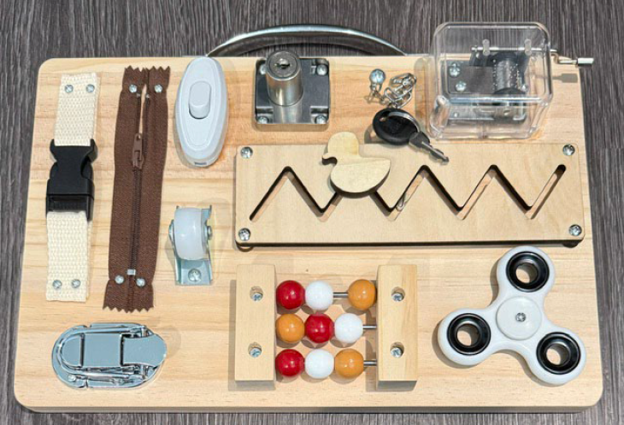
The toys’ zipper contains levels of lead that exceed the standard set in the federal lead paint ban. Lead is toxic if ingested by young children and can cause adverse health issues.
Consumers should stop using the busy boards immediately and contact SQT for a full refund. Consumers will be asked to destroy the toys by unscrewing its components, write in permanent marker “RECALLED” on the board, and send a photo of the destroyed toy to Lontcs@163.com. Consumers should then dispose of the destroyed product.
About 1,835

The recalled refrigerator magnets violate the mandatory standard for magnets because they contain loose magnets posing an ingestion hazard to children and can appeal to children or teens. When high-powered magnets are swallowed, the ingested magnets can attract each other, or other metal objects, and become lodged in the digestive system. This can result in perforations, twisting, and/or blockage of the intestines, blood poisoning and death.
Consumers should stop using the bear-shaped refrigerator magnets immediately, take them away from children and contact SHEIN for a full refund. Consumers will be asked to affirm they threw the recalled refrigerator magnets away.
4,640

The engine rocker arm on the recalled motorcycles can seize or stick and the exhaust valves can remain open or break, posing a risk of serious injury or death from a crash hazard.
Consumers should stop using 2025 and 2026 Triumph TF450 models Closed Course Competition Motorcycles immediately and contact Triumph Motorcycles for a free repair. Consumers can check if their VIN is included in this recall at https://www.triumphmotorcycles.com/owners/recalls. Consumers with recalled motorcycles should contact their local authorized Triumph Motorcycle dealer who will inspect the engine and replace the cylinder head free of charge.
About 1,560 (In addition, about 171 were sold in Canada)
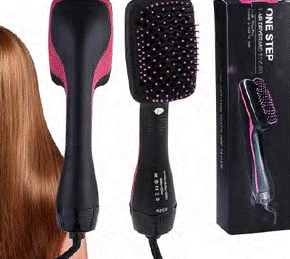
The recalled hair dryer brushes are in violation of federal regulations for hair dryers as they lack an integrated immersion protection device, which presents a substantial product hazard to consumers and the risk of death or serious injury from electrocution or shock if the hair dryers fall into water while plugged in. In addition, the recalled hair dryer brushes can overheat, posing a burn hazard.
Consumers should unplug and stop using the recalled hair dryers immediately and contact Guang Zhou to receive a full refund. Consumers will be asked to cut the power cord and provide a photo of the destroyed product to wantefully@163.com.
About 2,295
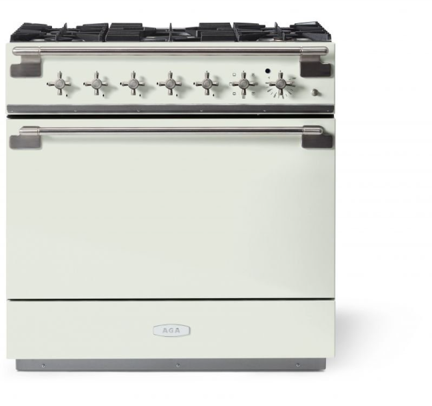
Dual Fuel Ranges with a missing cap from the gas test port can cause a gas leak, posing a risk of serious injury or death from fire or explosion hazards.
Consumers should shut off the gas supply to avoid the risk of gas leak immediately and contact AGA Rangemaster. Consumers should promptly determine if their range is subject to recall by locating the model/serial number on the rating plate (on the bottom panel under the storage drawer) and visiting the Recall webpage at www.lacornueusa.com/testcap-recall or www.agarangeusa.com/testcap-recall. If subject to the recall, consumers should contact AGA Rangemaster for a free inspection and repair by a certified technician. Consumers can continue to use only the electric oven sections of the range. The gas surface burners cannot be used.
About 3,992 (In addition, about 336 were sold in Canada)
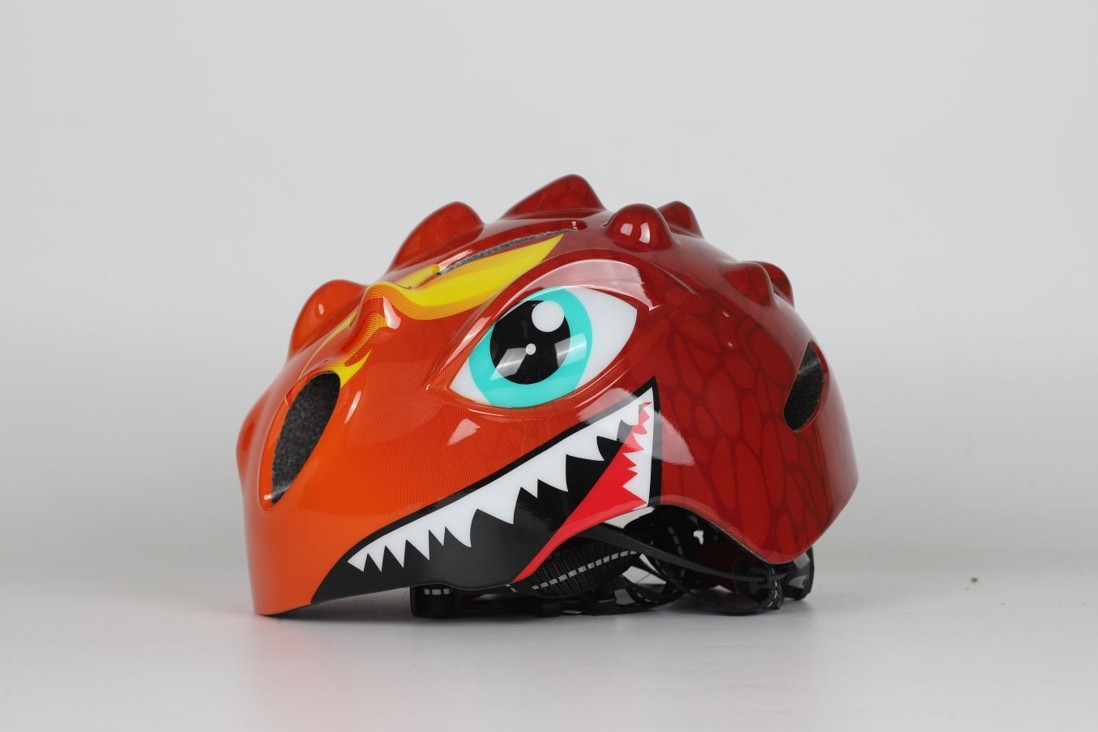
The recalled helmets violate the mandatory safety standard for bicycle helmets because the helmets do not comply with the retention system, positional stability and certification requirements. The helmets can fail to protect the user in the event of a crash, posing a serious risk of injury or death due to head injury.
Consumers should stop using the recalled helmets immediately and contact Victgoal for a full refund. Consumers will be asked to destroy the helmets by cutting the straps and then sending a photo of the destroyed product, showing the helmet’s production date to walmart@victgoal.com. Consumers should then dispose of the recalled product.
About 40
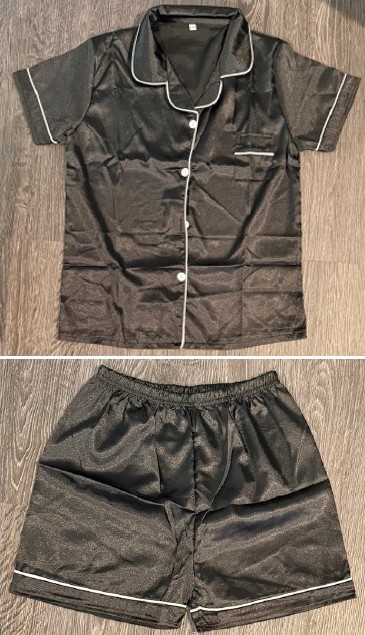
The recalled children’s loungewear sets violate the mandatory flammability standard for children’s sleepwear, posing a risk of serious burn injuries or death.
Consumers should stop using the recalled loungewear sets immediately, take them away from children and contact Sweet Cubby for a full refund. Consumers will be asked to destroy the loungewear sets by cutting them in half and send a photo of the destroyed loungewear sets to SweetCubby@163.com. Consumers should then dispose of the destroyed product.
About 12,461

The drain covers do not conform to the entrapment protection standards of the Virginia Graeme Baker Pool and Spa Safety Act (VGBA), posing an entrapment hazard to swimmers and bathers. The drain covers also violate the safety requirements because they do not bear the required product markings, statements regarding the service life of the covers and installation and maintenance instructions.
CPSC urges consumers to stop using the swim jet combination drain covers immediately and stop using pools with the combination drain covers. Consumers should destroy the drain covers by unplugging, cutting the power cord, and disposing of them. Do not sell or give away these hazardous drain covers. Ensure all pools and spas have VGBA-compliant drain covers and teach children to stay away from drains.

The pressure washers lack an integrated immersion protection device on or near the power plug, also known as a Ground-Fault Circuit-Interrupter (GFCI), and lack an adequate-length power cord, posing a risk of death or serious injury due to electrocution and shock.
CPSC urges consumers to stop using the pressure washers immediately, and destroy them by unplugging, cutting the power cord, and disposing of them. Do not sell or give away these hazardous pressure washers.

The pressure washers lack an integrated immersion protection device on or near the power plug, also known as a Ground-Fault Circuit-Interrupter (GFCI), posing a risk of death or serious injury due to electrocution and shock.
CPSC urges consumers to stop using the pressure washers immediately, and destroy them by unplugging, cutting the power cord, and disposing of them. Do not sell or give away these hazardous pressure washers.
3,100
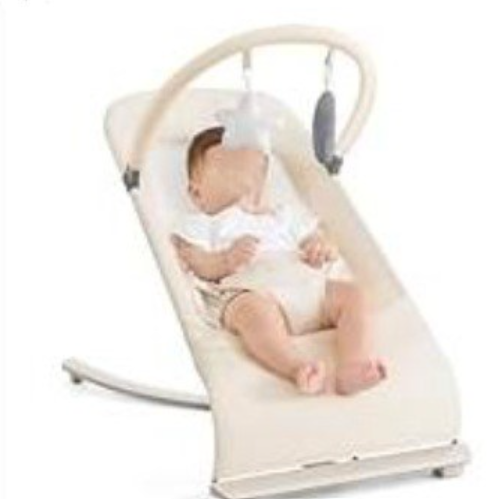
The bouncers can collapse while in use, posing a risk of impact injury to infants in the bouncer.
CPSC urges consumers to stop using the Flyboss infant bouncers immediately and dispose of them. Do not sell or give away these hazardous products.
About 14,200

The baby loungers violate the mandatory standard for Infant Sleep Products because the sides are shorter than the minimum side height limit to secure the infant; the sleeping pad’s thickness exceeds the maximum limit, posing a suffocation hazard; and an infant could fall out of an enclosed opening at the foot of the lounger or become entrapped.
CPSC urges consumers to stop using the baby loungers immediately and dispose of them. Do not sell or give away these hazardous baby loungers.
2,355
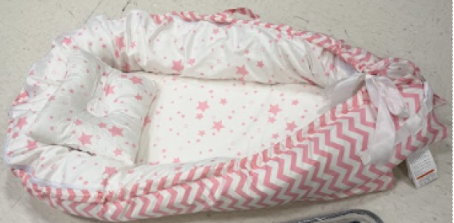
The sides are too low to contain an infant and the enclosed openings at the foot of the loungers are wider than allowed, posing serious risks of fall and entrapment hazards to infants. In addition, the baby loungers do not have a stand, posing a fall hazard if used on elevated surfaces. These violations create an unsafe sleeping environment and can cause death or serious injury.
CPSC urges consumers to stop using the baby loungers immediately, remove the foam padding, and cut the cover in half, and dispose of the cover and padding. Do not sell or give away these hazardous products.
About 9,136
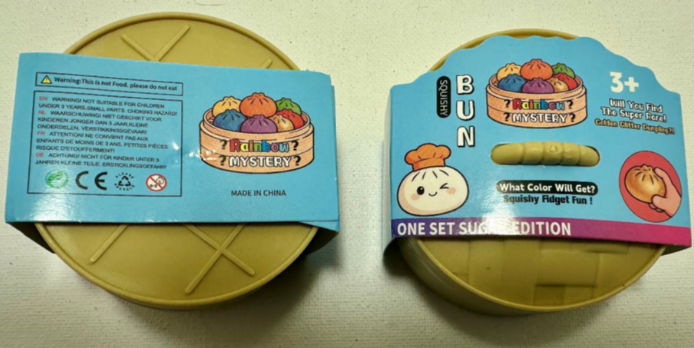
The toy violates the mandatory safety standard for toys containing water beads, posing deadly ingestion, choking, and obstruction hazards.
CPSC urges consumers to stop using the squishy bun toys immediately and dispose of them. Do not sell or give away these hazardous toys.
About 106
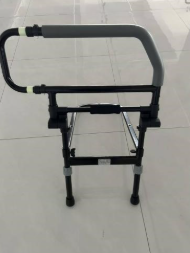
When the bed rails are attached to a bed, users can become entrapped within the bed rail or between the bed rail and the side of the mattress. In addition, the bed rails do not meet the structural stability or retention strap requirements, posing a fall hazard.
CPSC urges consumers to stop using the Sangohe Adult Portable Bed Rails immediately and dispose of them. Do not sell or give away these hazardous products.
About 36,500
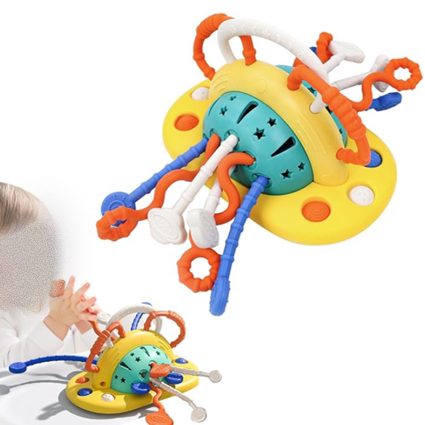
The teething toys violate the mandatory standard for toys because the silicone strings are longer and thinner than permitted.
CPSC urges consumers to stop using the pull string toys immediately and dispose of them. Do not sell or give away these hazardous toys.
About 38,253
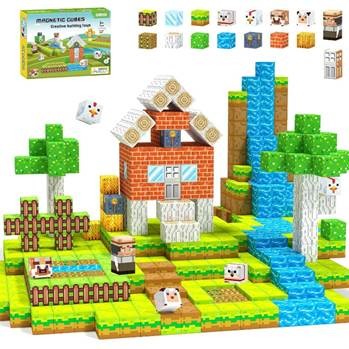
The magnetic building blocks contain magnets that can become loose if the blocks break or open, posing a magnet ingestion hazard to children. When high-powered magnets are swallowed, the ingested magnets can attract each other, or other metal objects, and become lodged in the digestive system. This can result in perforations, twisting, and/or blockage of the intestines, blood poisoning and death.
CPSC urges consumers to stop using the magnetic building blocks immediately and dispose of them. Do not sell or give away these hazardous magnetic building blocks.