



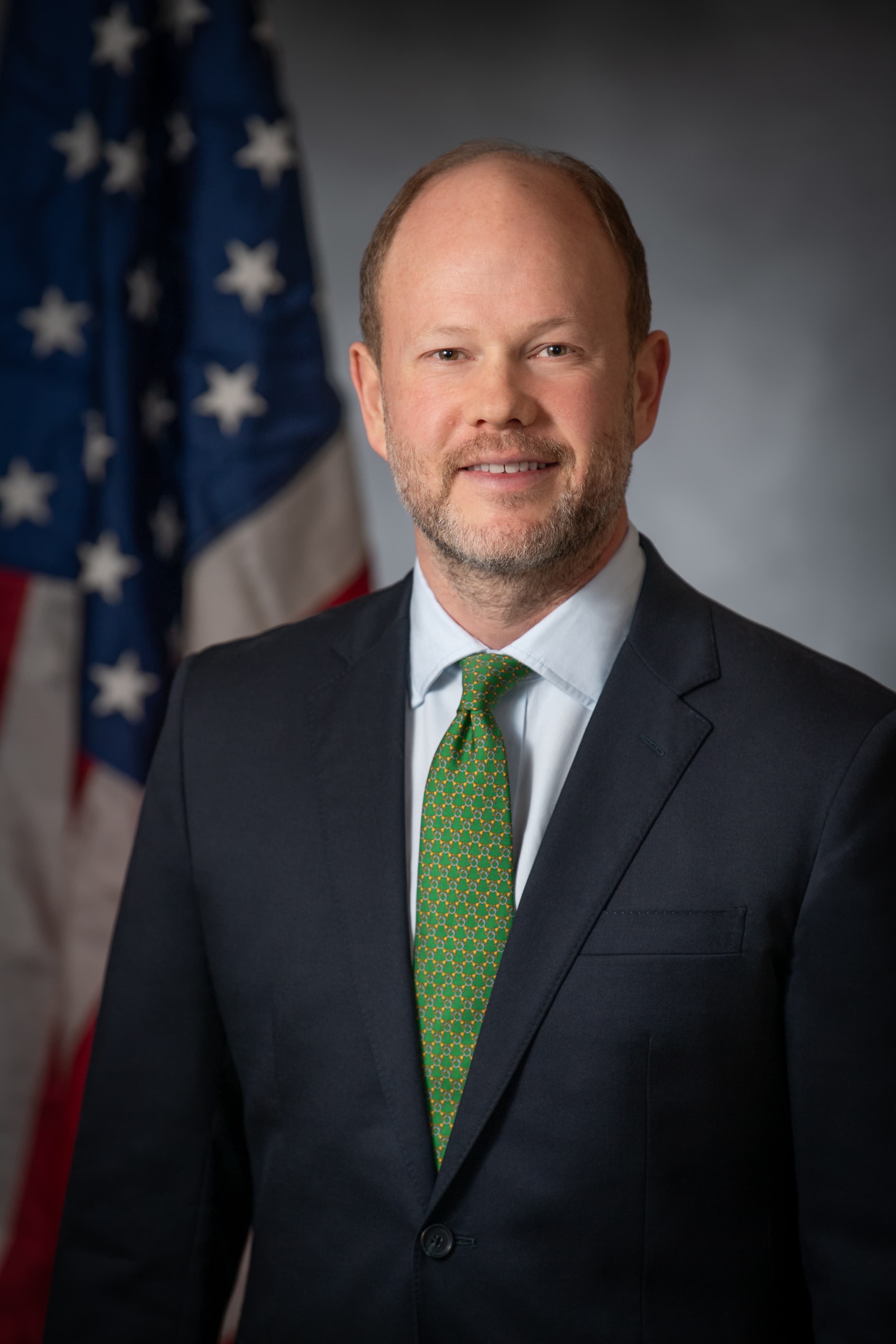
Acting Chairman Peter A. Feldman of the U.S. Consumer Product Safety Commission Delivers Keynote Remarks at Toy Fair
Good morning. It’s great to be here at Toy Fair, an event that showcases the creativity, imagination, and innovation of a fun and important industry.
Looking around the room and walking the floor yesterday, there are many of you I’ve known for years and many new faces. I appreciate the warm welcome.
In particular, I would like to thank Greg Ahern, Kathrin Belliveau, Joah Lawrence, Rick Locker, and all of the exhibitors who took time to see us yesterday.
Toys can be much more than entertainment. Toys can educate. Toys can help children learn how to solve problems, explore the world around them, and build confidence.
And through everything that toys do, we all agree that safety matters.
At the Consumer Product Safety Commission, we believe when safety is done right—when it’s rooted in common sense, sound science and real data—we can protect children while supporting American manufacturing, innovation, and economic growth.
Today, I want to talk about how CPSC is returning to its core mission, what that means for the toy industry, and how we’re approaching emerging technologies like artificial intelligence.
A Mission Reset
For far too long, success at CPSC was measured by how many burdensome rules and regulations it enacted, or how many new mandates it imposed on American businesses.
That’s not how we measure success now.
Our success is measured by results, like the number of unsafe products we keep out of American homes and away from American children.
That means we’re reducing unnecessary and outdated regulations, cracking down on dangerous products and counterfeit goods flooding the U.S. market—especially from China—and using data analytics and gold-standard science to drive smarter enforcement decision-making.
CPSC is returning to its core statutory mission without undermining the American companies that invest in compliance and build products the right way.
Enforcement That Targets Real Risk
Nowhere is this mission reset more visible than CPSC’s enforcement.
Our job at CPSC is to focus agency resources where there is real risk, and to be relentless against bad actors who put children at risk and undercut responsible businesses.
In 2025, under the leadership of President Trump, CPSC had a record year: 542 recalls and safety warnings – an all-time high.
26 million products recalled.
Nearly 90,000 takedown notices issued to third-party sellers.
And a marked increase at U.S. ports and along the border screening and seizing high-risk imports.
That’s not random enforcement.
It is smart, targeted enforcement aimed at dangerous products, most of them imported, that threaten American families and distort fair competition in the marketplace.
Reducing Regulatory Burdens
At the same time, we are reining in regulatory overreach.
Regulations that reduce competition, impose unnecessary costs, or ignore science are no longer agency priorities.
We will not shy away from federal intervention when evidence shows it will meaningfully advance safety.
But we are withdrawing fear-based rulemakings, rescinding obsolete regulations written for products that no longer exist, and insisting on clear, predictable, science-based safety rules.
That approach benefits consumers, and it benefits responsible manufacturers who want certainty and fairness.
Artificial Intelligence and Toys
And that brings me to a topic that is on everyone’s mind: artificial intelligence.
AI is rapidly transforming every industry and sector of our economy, including the toy industry.
It’s exciting technology, and you’ll hear more from me shortly about how the agency is using AI to be smarter and faster. But AI also comes with new considerations for businesses.
CPSC remains fully committed to its statutory mission: protecting Americans from unreasonable risk of injury associated with consumer products.
Throughout the agency’s history, that has always meant physical injury.
CPSC is not a content regulator, nor is it equipped or authorized to evaluate non-physical hazards, such as mental, emotional, or psychological harm, or physical harm that is not proximately caused by a product’s physical characteristics or operation.
For smart play, connected devices, and chatbot-enabled toys, mature frameworks exist under COPPA and the Consumer Product Safety Act, for example, for us and other agencies.
CPSC also enforces the Toy Standard under Section 106 of the CPSIA. When this standard is updated, its requirements are mandatory.
If CPSC were to extend its jurisdiction to non-physical hazards, that would constitute a novel expansion of the agency’s mandate and would risk exceeding the limits of authority Congress has set.
At the same time, CPSC remains vigilant to protect Americans against new and emerging consumer product hazards within the scope of its authorities, including with respect to AI-enabled toys and other products.
We have clear and sufficient statutory authority to address substantial product hazards that present unreasonable risks of physical injury associated with toys, including toys that incorporate AI systems.
Based on the Commission’s injury surveillance and incident data, CPSC has identified no evidence to date that the integration of AI into toys has resulted in real-world injuries to children.
Of course, if manufacturers in this room receive reports of harm, I remind you of your obligation to report to CPSC under Section 15(b) of the Consumer Product Safety Act.
When credible risks of physical injury are identified, CPSC will act decisively under its existing authorities, without delay or hesitation, to protect children from harm.
CPSC’s approach to emerging technologies, including AI, is consistent with broader administration policy on American AI leadership, promoting innovation and avoiding regulatory approaches that exceed existing legal authority or unnecessarily impede technological advancement.
We are looking to industry to set standards consistent with our statutory construction.
Your leadership matters.
And CPSC has a long history of working cooperatively with the Toy Industry under the auspices of the ASTM F-963 Committee.
CPSC supports the development of industry consensus standards as an effective and adaptable approach to addressing product safety concerns.
The Consumer Product Safety Act (CPSA) codifies a preference for these standards, which allow industry, consumer groups, and technical experts to collaborate in developing requirements that keep pace with innovation.
In the meantime, as with all things, CPSC advises parents to apply basic safety judgment during play. Regular family conversations about safety can help prevent injuries.
Taking on China
While innovation drives the future, we must confront the threats we face today.
The single greatest threat to American consumers is the flood of unsafe, low-quality products from China, especially through e-commerce and direct-to-consumer shipments.
Chinese goods account for one-third of consumer imports under CPSC’s jurisdiction, but more than three quarters of the safety violations we identify.
That is unacceptable, and we’re using all tools at our disposal to fight back. We are revoking accreditation from Chinese testing labs that issue falsified test reports.
If a lab can’t be trusted, it’s not going to certify children’s products, full stop.
We’re cracking down on dangerous Chinese knockoffs, like we did with fake Labubu dolls last year that presented serious choking hazards.
We’ve expanded investigations into Chinese e-commerce platforms like Temu, Shein, and others, focusing on dangerous children’s products and enforcement challenges posed by overseas sellers.
And we’ve invested in AI-enabled risk targeting, which allows us to identify and intercept dangerous products earlier while speeding clearance for legitimate trade.
For American toy manufacturers who play by the rules, this matters.
We are leveling the playing field because you are investing in testing, in compliance and making sure you follow the law.
Modernizing CPSC
CPSC is also modernizing how we do our work.
We are investing in data, analytics, and AI-enabled tools to improve injury surveillance, accelerate decision-making, and provide clearer guidance to industry.
We are modernizing the National Electronic Injury Surveillance System, or NEISS, by investing in AI-enabled workflows that improve the quality and quantity of injury surveillance data, while also building up agency digital infrastructure to handle a massive new volume of electronic health records.
This NEISS modernization we have dubbed NEISSR. The R stands for “remodel.” And it will yield real and lasting results for consumers, for industry, and for the American people.
We’ve established an Analytics Center of Excellence to standardize analytic methods across the agency, strengthen scientific integrity and support program offices with advanced AI tools.
We’re making strategic hires with expertise in AI, data science, and risk analysis.
We are applying fair, plain meaning interpretations of our statutes and regulations.
And we have recommitted the agency to sound methodologies in our data and economic analyses.
For example, CPSC rescinded the previous Administration’s flawed “Value of Statistical Life” methodology, which double-counted children’s lives and departed from established federal standards.
Using this junk science exposed lifesaving rules to legal risk and undermined analytical credibility.
Returning to rigorous, transparent cost-benefit analysis helps both consumers and industry alike.
All of this modernization serves a purpose: smarter, faster, fairer enforcement.
eFiling is Coming
If we are investing in better data, better analytics, and better tools, we also need a modern way to act on that information at the border.
That is exactly what eFiling delivers.
The eFiling requirements take effect on July 8 of this year
Importers will be required to electronically file Certificate of Compliance data before importing goods into the U.S.
eFiling for consumer products imported into a Foreign Trade Zone will take effect on January 8, 2027.
These requirements are designed to level the playing field for American manufacturers that already comply with U.S. safety laws.
It is a core component of the administration’s whole-of-government strategy to stop unsafe and violative goods at the border, and is especially timely given the surge in foreign, direct-to-consumer e-commerce shipments.
eFiling will provide significant benefits to both the government and the trade community.
For the government, this includes improved targeting, which will allow agency resources to be dedicated to the highest-risk products.
Compliant importers will benefit from faster clearance, fewer inspections, and shorter delays at entry.
Let me be clear on what eFiling does NOT do:
It does not create new testing, certification, or compliance requirements.
It does NOT apply to domestic manufacturing, including small businesses manufacturing in the United States
CPSC is inviting importers and their trade partners to participate in a voluntary test of the eFiling program to help the trade community be prepared before the mandate takes place.
I highly recommend joining the voluntary stage, where participants can adjust processes and prepare systems ahead of full implementation.
Please do not wait. Begin eFiling today.
Those who wish to use the optional and convenient Product Registry, you can sign up for an account online right now.
You can also visit cpsc dot g-o-v slash eFiling to access a wealth of information that will help you prepare.
My staff here can also take your information and connect the right people at your company with eFiling staff.
eFiling embodies this Administration’s approach to modern enforcement.
Closing
In closing, CPSC’s America First mission reset is about partnership with clear boundaries.
When American manufacturers thrive, consumers benefit.
When bad actors are held accountable, American businesses win.
And when safety enforcement is smart, targeted and modernized, trust in the marketplace grows.
That is the direction we are heading.
I look forward to continuing this work with all of you to protect America’s families.
Thank you for the opportunity to speak this morning.
I wish you all a happy and successful Toy Fair!